Home

Features

Pricing

Case Studies

Managed Ad Service

Blog

News

About Us

Contact

Privacy Policy

Terms of Service

Legal Notice

Case study -

New Port Inc.

"Like Adding a Gen Z Teammate": How Dermalogica Ended Agency Dependence and Brought Ad Management In-House with a Team of Two

Dermalogica case study interview

Before

Manufacturing

Agency-run ads: no visibility into daily numbers or cost breakdown

A team of 10 became 2 — stretched across sales, e-commerce, and PR

After

Agency fee (20% of ad spend) no longer needed

Keyword and budget optimization runs automatically every day

Can explain spend to management anytime — what, and how much

Ueda, who runs e-commerce and advertising at Dermalogica Japan, describes working with Cascade this way:

"It honestly feels like we've added a Gen Z member to the team."

No agency — just a small team bringing ad management in-house. Here is Dermalogica's story.

Item

Details

Brand

Dermalogica

Business

Professional skincare brand founded in the U.S.

E-commerce channels in Japan

Official online shop (Shopify), Rakuten, Amazon

Ad team

2 people (alongside sales, e-commerce, and PR duties)

Main features used

Automated keyword & budget optimization / image generation / asset library / reporting

Key points

  • Challenge: A team that once had around 10 people shrank to two, who had to cover everything from sales to e-commerce and PR. Ad management was left entirely to an agency, with no visibility into daily numbers or where the money went.

  • Deciding factors: Rather than going back to an agency, they adopted Cascade under a policy of owning ad management themselves. The clinchers: handling everything from image generation to delivery and analytics in one place, and holding their ad accounts in-house.

  • Results: The agency fee — 20% of ad spend — disappeared, and explaining spend to management became straightforward. They now run ads while watching daily optimization actually happen.

Ads left entirely to an agency — invisible costs, and the shift to a two-person team

We spoke with Ueda, who is responsible for e-commerce and advertising at Dermalogica Japan. A team that once numbered around 10 across e-commerce and PR went through restructuring; today Ueda and colleague Nakayama handle everything — sales, e-commerce, and PR — between the two of them.

―― Your team went from about 10 people to two. What did ad management look like?

Ueda: We didn't have anyone with ad expertise, so running ads ourselves wasn't even on the table. Naturally, it all drifted to an agency. And when they told us plausible-sounding things, we had no way to verify them. There was this vague sense of distrust.

―― How much visibility did you have into costs and operations?

Ueda: Despite spending a substantial ad budget every month, we couldn't see the daily numbers ourselves, and we couldn't tell what the money was being spent on or how. When results were soft, all we could do was take the agency's reports at face value. Reports were monthly — weekly summary figures at best — and we couldn't see the history of what had been changed or why. During campaigns and new-customer pushes, it was also frustrating that the cycle from creative production to delivery never moved quickly. The ad accounts themselves were held by the agency, not by us. I think that structure is common in the ad industry.

Why Cascade — it fit a policy of learning while bringing ads in-house

Dermalogica first encountered Cascade through a referral.

―― Out of all the options, why did you choose Cascade?

Ueda: Going back to an agency wasn't something we considered. Over the mid-to-long term, we want to be able to run ads ourselves. Learning as we go, while the AI keeps optimizing properly in the meantime — that balance is what fit us about Cascade.

Another deciding factor was being able to handle everything — from image production to delivery and analytics — in one place. On top of that, owning our ad accounts mattered. Accounts we could never hold while everything sat with the agency are now owned and managed by us.

―― Did you have any concerns before adopting it?

Ueda: Not really — honestly, we were more excited than anxious.

First impressions — operations where you can feel the daily optimization

Ueda's team once knew how their ads were doing only through monthly or weekly summaries. Now they routinely watch keyword and budget optimization run automatically, every single day.

―― How has it been in practice?

Ueda: Watching keyword and budget optimization run automatically every day, I finally felt how much ads actually move day to day — and now we operate with that in view.

―― Any feature you especially like?

Ueda: Image generation. Google's ads have image generation too, but Cascade is the one that produces images close to what we actually have in mind.

For brands running multiple channels, production assets tend to scatter everywhere.

―― Anything else you'd highlight?

Ueda: The asset library. At Dermalogica too, we sometimes lost track of where past asset files lived. Having creative for every channel gathered in one place is a real help.

Light on its feet, steadily stacking up small optimizations every day. That seems to be why Ueda calls Cascade a "Gen Z teammate" — it has genuinely joined their two-person team.

A changed cost structure, and a stronger story for management

One of the clearest changes is the cost structure. The agency fee — 20% of ad spend — is no longer needed. (For typical managed-service pricing, see our article on search ad management fees.) The freed-up fees can now go toward ad spend and other uses. The other change is how they explain ads to management.

―― How did things change when reporting to management?

Ueda: Before, we just received the agency's reports, and it was hard to explain to our president specifically how the ad budget was being used. Now we can explain to management and the president — at any time, on our own — what we're spending on and how much. Being able to pull a report instantly is genuinely appreciated.

The ad budget is the same size — but now its use can be shown in a form everyone in the company can accept. That emerged from this interview as one of the biggest changes of all.


Before (agency-run)

After (Cascade)

Ad accounts

Held by the agency

Held in-house

Agency fee

20% of ad spend

None (Cascade fee only)

Reporting

Monthly, weekly summaries at best

Daily movement, visible anytime

Explaining to management

Hard to grasp the details

Specific answers, anytime

"We can now see what the money is being spent on, and how. That is huge for us."

For companies considering in-house ad management

―― How will you run ads going forward?

Ueda: Going back to an agency is still not on our minds. We'll leave daily optimization to Cascade while expanding what we can do ourselves, one thing at a time. That's how we plan to keep bringing it in-house.

―― Finally — what kind of company do you think Cascade suits?

Ueda: I'd especially recommend it to companies running multiple ad channels. It's big that not just the operator but managers, too, can see everything on one screen.

Dermalogica itself runs multiple channels — the official online shop, Rakuten, and Amazon. The more channels you add, the more valuable it is to grasp the whole operation on a single screen. All the more so for a small team covering a wide range of duties.

Interested in bringing ad management in-house but unsure where to start? For features and pricing details, visit the official Cascade website.
* This article reflects conditions at the time of the interview (July 2026).

Dermalogica

New Port Inc.

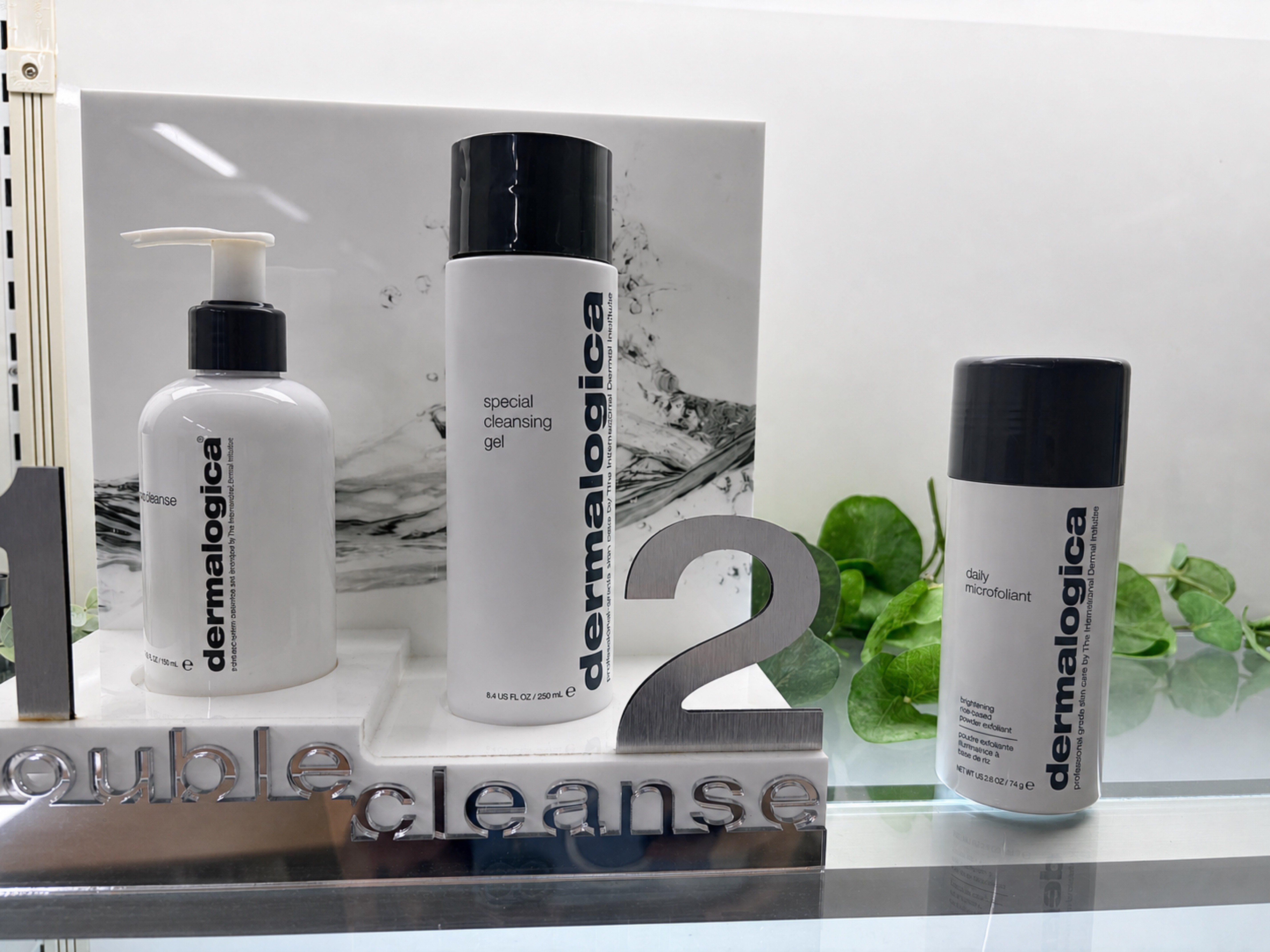
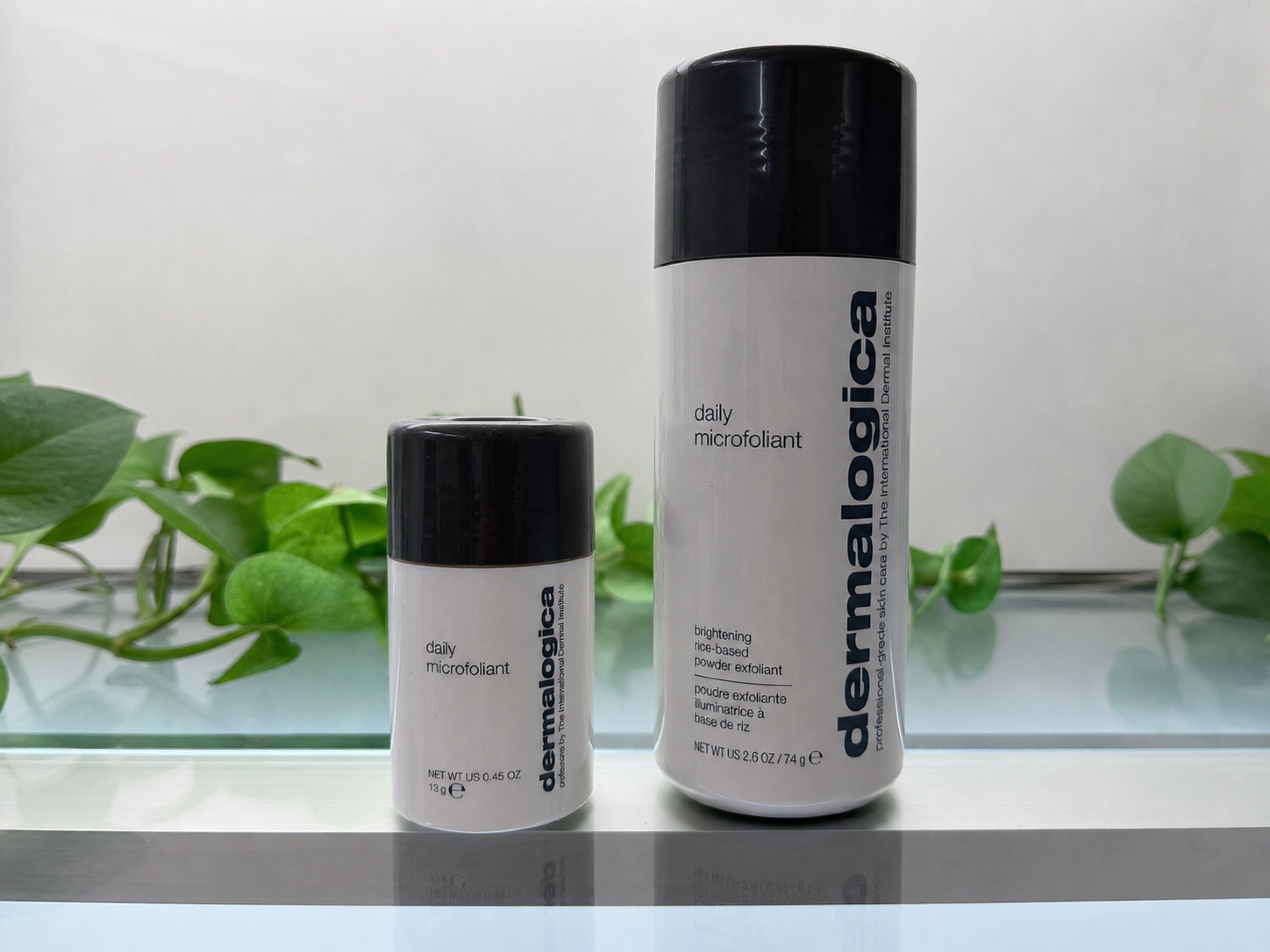
Dermalogica is a professional skincare brand founded in the U.S. in 1986. Born out of the International Dermal Institute (est. 1983), a training institute for skin therapists, it is now trusted by over 100,000 professional skin therapists in more than 100 countries. In Japan, the brand sells through three e-commerce channels — the official online shop (Shopify), Rakuten, and Amazon. A two-person team covering sales, e-commerce, and PR is bringing ad management in-house, without an agency.

Download the guide

Table of contents

Case Studies

More case studies

New Port Inc.

Dermalogica

"Like Adding a Gen Z Teammate": How Dermalogica Ended Agency Dependence and Brought Ad Management In-House with a Team of Two

Ended agency dependence; two people run ads in-house

Image generation to delivery and analytics, all on one screen

The challenge

Agency-run ads: no visibility into daily numbers or cost breakdown

A team of 10 became 2 — stretched across sales, e-commerce, and PR

Learn more

Dermalogica case study interview

View all case studies

Cascade sets
your marketing free

Cross-channel measurement, daily optimization, and reporting.
Cascade connects the pieces of ad management that used to live in silos.

© 2025 Cascade Inc, All Rights Reserved.

New Port Inc.

Case study -

"Like Adding a Gen Z Teammate": How Dermalogica Ended Agency Dependence and Brought Ad Management In-House with a Team of Two

Table of contents

Dermalogica case study interview

Before

Manufacturing

Agency-run ads: no visibility into daily numbers or cost breakdown

A team of 10 became 2 — stretched across sales, e-commerce, and PR

After

Agency fee (20% of ad spend) no longer needed

Keyword and budget optimization runs automatically every day

Can explain spend to management anytime — what, and how much

Ueda, who runs e-commerce and advertising at Dermalogica Japan, describes working with Cascade this way:

"It honestly feels like we've added a Gen Z member to the team."

No agency — just a small team bringing ad management in-house. Here is Dermalogica's story.

Item

Details

Brand

Dermalogica

Business

Professional skincare brand founded in the U.S.

E-commerce channels in Japan

Official online shop (Shopify), Rakuten, Amazon

Ad team

2 people (alongside sales, e-commerce, and PR duties)

Main features used

Automated keyword & budget optimization / image generation / asset library / reporting

Key points

  • Challenge: A team that once had around 10 people shrank to two, who had to cover everything from sales to e-commerce and PR. Ad management was left entirely to an agency, with no visibility into daily numbers or where the money went.

  • Deciding factors: Rather than going back to an agency, they adopted Cascade under a policy of owning ad management themselves. The clinchers: handling everything from image generation to delivery and analytics in one place, and holding their ad accounts in-house.

  • Results: The agency fee — 20% of ad spend — disappeared, and explaining spend to management became straightforward. They now run ads while watching daily optimization actually happen.

Ads left entirely to an agency — invisible costs, and the shift to a two-person team

We spoke with Ueda, who is responsible for e-commerce and advertising at Dermalogica Japan. A team that once numbered around 10 across e-commerce and PR went through restructuring; today Ueda and colleague Nakayama handle everything — sales, e-commerce, and PR — between the two of them.

―― Your team went from about 10 people to two. What did ad management look like?

Ueda: We didn't have anyone with ad expertise, so running ads ourselves wasn't even on the table. Naturally, it all drifted to an agency. And when they told us plausible-sounding things, we had no way to verify them. There was this vague sense of distrust.

―― How much visibility did you have into costs and operations?

Ueda: Despite spending a substantial ad budget every month, we couldn't see the daily numbers ourselves, and we couldn't tell what the money was being spent on or how. When results were soft, all we could do was take the agency's reports at face value. Reports were monthly — weekly summary figures at best — and we couldn't see the history of what had been changed or why. During campaigns and new-customer pushes, it was also frustrating that the cycle from creative production to delivery never moved quickly. The ad accounts themselves were held by the agency, not by us. I think that structure is common in the ad industry.

Why Cascade — it fit a policy of learning while bringing ads in-house

Dermalogica first encountered Cascade through a referral.

―― Out of all the options, why did you choose Cascade?

Ueda: Going back to an agency wasn't something we considered. Over the mid-to-long term, we want to be able to run ads ourselves. Learning as we go, while the AI keeps optimizing properly in the meantime — that balance is what fit us about Cascade.

Another deciding factor was being able to handle everything — from image production to delivery and analytics — in one place. On top of that, owning our ad accounts mattered. Accounts we could never hold while everything sat with the agency are now owned and managed by us.

―― Did you have any concerns before adopting it?

Ueda: Not really — honestly, we were more excited than anxious.

First impressions — operations where you can feel the daily optimization

Ueda's team once knew how their ads were doing only through monthly or weekly summaries. Now they routinely watch keyword and budget optimization run automatically, every single day.

―― How has it been in practice?

Ueda: Watching keyword and budget optimization run automatically every day, I finally felt how much ads actually move day to day — and now we operate with that in view.

―― Any feature you especially like?

Ueda: Image generation. Google's ads have image generation too, but Cascade is the one that produces images close to what we actually have in mind.

For brands running multiple channels, production assets tend to scatter everywhere.

―― Anything else you'd highlight?

Ueda: The asset library. At Dermalogica too, we sometimes lost track of where past asset files lived. Having creative for every channel gathered in one place is a real help.

Light on its feet, steadily stacking up small optimizations every day. That seems to be why Ueda calls Cascade a "Gen Z teammate" — it has genuinely joined their two-person team.

A changed cost structure, and a stronger story for management

One of the clearest changes is the cost structure. The agency fee — 20% of ad spend — is no longer needed. (For typical managed-service pricing, see our article on search ad management fees.) The freed-up fees can now go toward ad spend and other uses. The other change is how they explain ads to management.

―― How did things change when reporting to management?

Ueda: Before, we just received the agency's reports, and it was hard to explain to our president specifically how the ad budget was being used. Now we can explain to management and the president — at any time, on our own — what we're spending on and how much. Being able to pull a report instantly is genuinely appreciated.

The ad budget is the same size — but now its use can be shown in a form everyone in the company can accept. That emerged from this interview as one of the biggest changes of all.


Before (agency-run)

After (Cascade)

Ad accounts

Held by the agency

Held in-house

Agency fee

20% of ad spend

None (Cascade fee only)

Reporting

Monthly, weekly summaries at best

Daily movement, visible anytime

Explaining to management

Hard to grasp the details

Specific answers, anytime

"We can now see what the money is being spent on, and how. That is huge for us."

For companies considering in-house ad management

―― How will you run ads going forward?

Ueda: Going back to an agency is still not on our minds. We'll leave daily optimization to Cascade while expanding what we can do ourselves, one thing at a time. That's how we plan to keep bringing it in-house.

―― Finally — what kind of company do you think Cascade suits?

Ueda: I'd especially recommend it to companies running multiple ad channels. It's big that not just the operator but managers, too, can see everything on one screen.

Dermalogica itself runs multiple channels — the official online shop, Rakuten, and Amazon. The more channels you add, the more valuable it is to grasp the whole operation on a single screen. All the more so for a small team covering a wide range of duties.

Interested in bringing ad management in-house but unsure where to start? For features and pricing details, visit the official Cascade website.

* This article reflects conditions at the time of the interview (July 2026).

New Port Inc.

Dermalogica

Dermalogica is a professional skincare brand founded in the U.S. in 1986. Born out of the International Dermal Institute (est. 1983), a training institute for skin therapists, it is now trusted by over 100,000 professional skin therapists in more than 100 countries. In Japan, the brand sells through three e-commerce channels — the official online shop (Shopify), Rakuten, and Amazon. A two-person team covering sales, e-commerce, and PR is bringing ad management in-house, without an agency.

Case Studies

More case studies

New Port Inc.

Dermalogica
Dermalogica case study interview

"Like Adding a Gen Z Teammate": How Dermalogica Ended Agency Dependence and Brought Ad Management In-House with a Team of Two

Ended agency dependence; two people run ads in-house

Image generation to delivery and analytics, all on one screen

The challenge

Agency-run ads: no visibility into daily numbers or cost breakdown

A team of 10 became 2 — stretched across sales, e-commerce, and PR

Cascade sets
your marketing free

Cross-channel measurement, daily optimization, and reporting. Cascade connects the pieces of ad management that used to live in silos.

© 2025 Cascade Inc, All Rights Reserved.

Cascade sets
your marketing free

Cross-channel measurement, daily optimization, and reporting. Cascade connects the pieces of ad management that used to live in silos.

© 2025 Cascade Inc, All Rights Reserved.