リスティング広告の代理店・運用代行の選び方|費用相場の見方とチェックリスト
リスティング広告の代理店・運用代行の選び方|費用相場の見方とチェックリスト

リスティング広告の代理店・運用代行を選ぶ際に比較すべき軸は、手数料体系の分かりやすさ・運用内容の透明性・契約条件の3つに集約されます。個々の代理店を単独で評価するのではなく、この3軸に沿って複数社を横並びで比較すると、担当者の説明のうまさや会社の知名度に判断が左右されにくくなります。本記事では、代理店に依頼できる範囲と自社に残る仕事の整理から、費用構造の見方、依頼前に整理しておきたいことと選定チェックリスト、代理店以外の選択肢までを解説します。
代理店に依頼できること/自社に残る仕事
代理店に運用を依頼する場合でも、業務のすべてを引き渡せるわけではありません。依頼できる範囲と、依頼後も自社に残る判断の両方を把握しておくと、契約後に「思っていた分担と違う」というギャップを防ぎやすくなります。どこまでを依頼できるかは代理店ごとに幅があるため、以下は一般的な目安として捉えてください。
代理店に依頼できること
一般的に、リスティング広告の運用代行で代理店が担う業務は次のようなものです。
キーワードの選定・見直しと入札調整
広告文やレスポンシブ検索広告の案作成
予算配分の調整と、媒体側の仕様変更への対応
運用データの集計とレポート作成
レポートに基づく改善提案の立案
ランディングページの制作やバナーなどのクリエイティブ制作を、運用手数料とは別のオプションとして請け負う代理店もあります。どこまでが標準の業務範囲で、どこからが追加費用の対象になるのかは、提案段階で確認しておくと認識のズレを防げます。
依頼できる範囲は、代理店のプラン設計によっても差があります。クリエイティブ制作やランディングページの改善提案まで標準プランに含める代理店もあれば、運用そのものに特化し、周辺業務は含めない代理店もあります。提案を受ける際は、業務範囲を分担表のような形で書面に残してもらうと、後から「言った言わない」の行き違いを防ぎやすくなります。
自社に残る仕事(丸投げはできない)
一方で、次のような判断は代理店に依頼していても自社側に残ります。委託後も一定の関与が必要になる前提で、社内の体制を考えておくことが重要です。
広告予算の最終的な意思決定
商材やターゲット顧客に関する情報共有(ヒアリングへの対応)
ランディングページやクリエイティブの最終承認
目標(CPAやROASなど)の設定と評価基準のすり合わせ
薬機法・景品表示法など表現規制に関わる最終確認
代理店からの提案に対するフィードバックと意思決定
このように、代理店に依頼した後も自社側にやるべき仕事は残ります。「すべてを任せられる代理店」を探すのではなく、「自社が担う部分を明確にしたうえで、残りを任せられる代理店」を探すという前提で選定を進めると、契約後の期待値のズレを防ぎやすくなります。
特に見落とされやすいのが、目標設定への関与です。「成果を上げてほしい」とだけ伝えて丸投げすると、代理店側は独自の解釈で優先順位をつけざるを得ず、後から「思っていた成果の方向性と違う」というズレが生じやすくなります。具体的な目標値は代理店と相談しながら決める場合でも、何を最優先の指標とするかという判断は、自社側で握っておく必要があります。
費用構造の見方
リスティング広告の運用代行にかかる費用は、広告費とは別に発生する手数料が中心です。手数料の体系は代理店によって異なりますが、大きく分けると料率型・固定報酬型・成果報酬型の3つに分類できます。それぞれの仕組みを理解しておくと、複数社の見積もりを比較する際の土台になります。
体系 | 仕組み | 比較する際に確認したい点 |
|---|---|---|
料率型 | 広告費に対して一定の料率をかけて手数料を算出する体系 | 料率をかける対象が広告費のみか総額かどうか、最低手数料の設定があるかどうか |
固定報酬型 | 広告費の増減にかかわらず、毎月一定額の手数料を支払う体系 | 想定する広告費の規模や繁忙期の運用工数と、手数料の水準が見合っているか |
成果報酬型 | あらかじめ定めた成果指標(コンバージョン数など)に応じて手数料が発生する体系 | 何を「成果」と定義するか、自社の業種やアカウントの立ち上げ段階で対応してもらえるか |
3つの体系にはそれぞれ向き不向きがあり、基本の固定額に成果に応じた加算を組み合わせるなど、複数の要素を組み合わせた料金体系を採用する代理店もあります。見積もりを比較する際は、同じ体系同士だけでなく、異なる体系間でも自社の広告費規模でどちらが有利になりそうかを試算してみると判断しやすくなります。ただし、これはあくまで比較の考え方であり、実際の料率や最低手数料の有無は代理店ごとの見積もりで確認する必要があります。
手数料の高さや安さだけでなく、その金額でどこまでの業務が含まれるかを、前段で整理した依頼範囲とあわせて比較すると判断しやすくなります。また、複数の代理店から見積もりを取る際は、依頼したい業務範囲や広告費の想定額をあらかじめ揃えて伝えることをおすすめします。伝える条件がバラバラだと、手数料の高低が体系の違いによるものなのか、前提条件の違いによるものなのかが判断しにくくなります。
具体的な料率の目安や費用シミュレーション、手数料以外にかかる初期費用・クリエイティブ制作費などの内訳は、「リスティング広告運用代行の費用」で詳しく解説しています。あわせて確認すると、見積もりの内容がどの範囲をカバーしているか判断しやすくなります。
代理店を比較するときのチェックリスト
複数の代理店を比較する際は、提案内容の印象や手数料の安さだけで決めず、次の項目を横並びで確認すると判断がぶれにくくなります。
チェック項目 | 確認するポイント |
|---|---|
レポートの粒度と頻度 | 数値の羅列だけでなく、変化の要因や次の改善案まで含まれているか。週次か月次か、緊急時の連絡フローもあわせて確認する |
アカウントの所有権 | 広告アカウントの名義が自社にあるか。契約終了後にデータや配信履歴を引き継げるかを左右する |
最低出稿額・契約期間 | 対応可能な広告費の下限や、契約更新・中途解約の条件。違約金の有無もあわせて確認する |
担当者の兼任アカウント数 | 1人の担当者が何件のアカウントを受け持っているか。兼任数が多いほど、1社あたりに割ける時間は限られやすい |
改善提案の具体性 | 「様子を見ましょう」で終わらず、次に何を試すのか・なぜそう判断したのかを説明できるか |
得意な業種・アカウント規模との適合 | 自社と近い業種や広告費規模のアカウントを担当した経験があるか |
コミュニケーション手段と対応スピード | 日常のやり取りの手段(チャット・メール・電話)や定例会議の頻度、緊急時の対応にかかる目安時間 |
特に「レポートの粒度」と「改善提案の具体性」は、契約前の商談だけでは判断しにくい項目です。可能であれば契約前にサンプルレポートを見せてもらう、あるいは守秘義務の範囲で過去の改善提案の一例を具体的に説明してもらうと、実際の運用イメージをつかみやすくなります。
担当者の兼任アカウント数についても、遠慮せず直接質問して問題ありません。兼任数が多いこと自体が即座に問題というわけではありませんが、自社のアカウント規模に対してどの程度の時間を割いてもらえるのかを事前にすり合わせておくと、運用開始後の期待値のズレを防げます。
得意な業種やアカウント規模との適合も、見落とされがちな確認項目です。代理店によって、強みを持つ業種や主に担当してきたアカウントの広告費規模には偏りがあります。自社と近い条件のアカウントを担当した経験があるかを尋ねると、提案内容が自社の実情に即しているかを判断しやすくなります。コミュニケーション手段や対応スピードも、実務上のやりとりに直結する項目です。日常の連絡がチャットツールで完結するのか、都度メールでのやり取りが必要なのかによって、スピード感は大きく変わります。緊急時に返信の目安をどの程度と考えているかも、契約前にすり合わせておくと安心です。これらの項目は、口頭の説明だけでなく契約書や見積書の内容でも確認しておくと、認識のズレを防ぎやすくなります。複数社を比較する際は、○×だけでなく簡単な評価メモを項目ごとに残しておくと、商談を重ねた後でも判断の根拠を振り返りやすくなります。
どの項目を重視するかは、自社の状況によっても変わります。複数媒体を横断して運用したい場合はコミュニケーション手段や体制の厚みを重視し、まずは小さく始めたい場合は契約期間の柔軟さを重視するなど、優先順位をつけて比較すると意思決定がしやすくなります。
代理店に依頼する前に自社で整理しておくこと
代理店に相談する前に、次の項目を社内である程度整理しておくと、初回の打ち合わせがスムーズに進み、提案内容の的確さも判断しやすくなります。成果指標や商材情報が曖昧なまま相談すると、代理店側も仮の前提で提案を作らざるを得ず、実態とズレた内容になりやすい点には注意が必要です。
目標CPA・ROASの言語化:広告費に対してどれくらいの成果が見合うかを数値で示せるようにしておくと、代理店からの提案が現実的かどうかを判断しやすくなります。ROASの考え方や計算式は「ROASとは」で解説しています。
想定クリック単価の把握:自社の商材やキーワードでどの程度のクリック単価が発生しうるかを事前に把握しておくと、代理店が提示する予算感の妥当性を判断する材料になります。CPCの仕組みは「CPC(クリック単価)とは」で解説しています。
商材理解の整理:ターゲット顧客、商品の強み、競合との違いなどを簡潔にまとめておくと、初回のヒアリングで伝わる情報の精度が上がります。
計測環境の確認:コンバージョンタグの設置状況やアクセス解析ツールの計測環境が整っているかを確認します。計測が不十分な状態で運用を始めると、代理店側の成果報告の精度にも影響し、施策の良し悪しを正しく判断しにくくなります。
過去の運用データの整理:すでに広告運用の実績がある場合は、それまでの配信データやレポートを整理しておくと、代理店側が現状分析にかかる時間を短縮でき、初期提案の精度も上がります。
社内の意思決定フローの整理:代理店からの提案内容を誰が最終承認するか、社内の稟議にどの程度時間がかかるかを事前に共有しておくと、代理店側もスケジュールを見積もりやすくなります。
これらを整理しないまま代理店に相談すると、ヒアリングに多くの時間を割く必要が生じ、運用開始までの期間が長引く要因にもなります。逆に、この段階の情報が整理されているほど、複数社から出てくる提案の質や現実性を比較しやすくなります。
代理店以外の選択肢
リスティング広告の運用は、代理店への依頼だけが選択肢ではありません。代理店の最低出稿額に届かない、社内にノウハウを残したい、まず小さく始めて自社に合う体制を見極めたいなど、代理店以外の体制を検討する理由は複数あります。社内のリソースや目指したい体制によっては、次のような選択肢もあわせて検討する余地があります。前段のチェックリストで比較した候補がいずれも自社の条件に合わない場合や、代理店に依頼する前段階として社内の体制をまず試してみたい場合にも、これらの選択肢が判断材料になります。
インハウス化+運用ツールの活用
社内で運用を担当する体制を整え、入札調整やレポート作成を支援するツールを併用する方法です。ノウハウを社内に蓄積しやすい一方、立ち上げには一定の時間と学習コストがかかります。広告費の規模が大きく代理店の手数料負担が大きくなりやすい場合や、複数の媒体を横断してノウハウを社内に残したい場合に検討されることが多い選択肢です。インハウス化を進める際の具体的なステップは「広告運用のインハウス化」で解説しています。
AIエージェントの活用
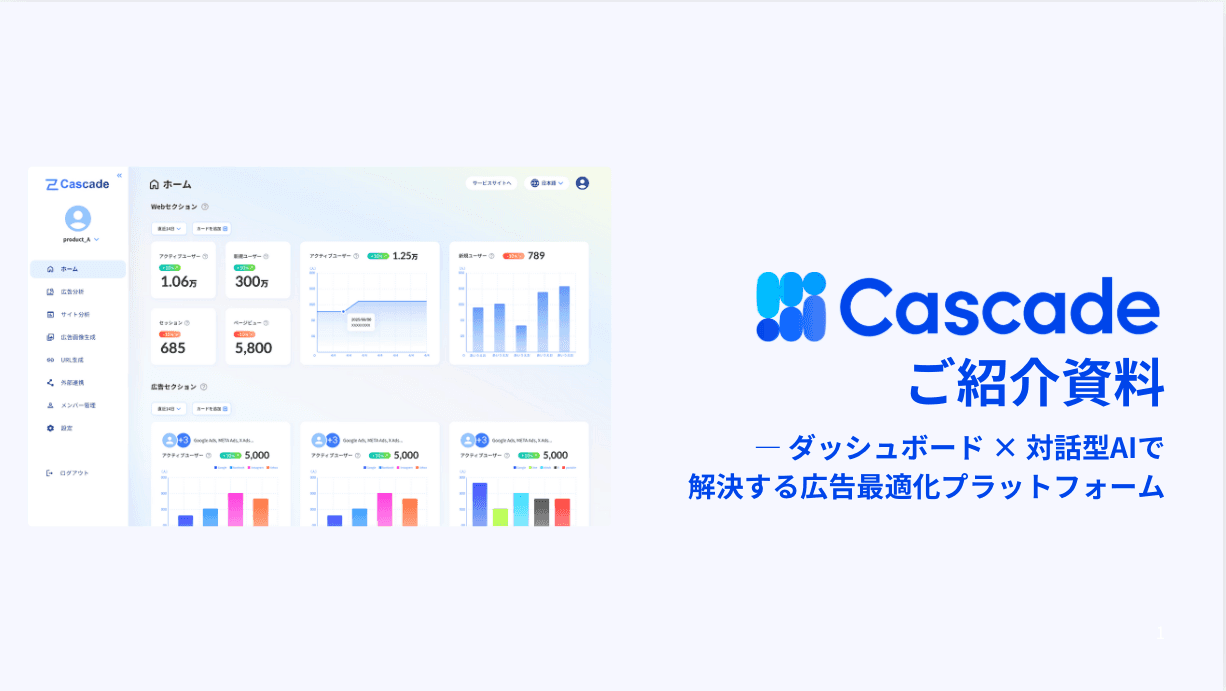
社内に広告運用の専任担当者を置けない場合は、AIエージェントを活用する方法もあります。たとえばCascadeは、予算配分やキーワードの最適化提案、レポート作成の自動化、複数の広告媒体を一つの画面で管理する機能などを備えており、専任者を置きにくい体制でも運用の一部を代替する選択肢になります。入札単価のような個別作業の自動化にとどまらず、予算配分や改善の方向性についての提案まで扱える点が特徴です。代理店・インハウス・ツール活用のいずれが自社に合うかは事業の状況によって異なるため、進め方を相談したい場合は問い合わせフォームから相談できます。
よくある質問
途中で代理店を変更できますか?
契約期間の条件を満たしていれば、多くの場合は代理店を変更できます。ただし、広告アカウントの名義が代理店側にある場合、変更時にそれまでの配信データや履歴を引き継げないことがあります。変更の可能性を見込んでおきたい場合は、契約前にアカウントの所有権を確認しておくと安心です。あわせて、乗り換え先の代理店に過去の運用データを引き継げるよう、レポートの保存形式やデータの保管期間についても確認しておくと、切り替え時の立ち上がりがスムーズになります。
相見積もりを取ってもよいですか?
複数の代理店に同時に見積もりや提案を依頼すること自体は問題ありません。広告費の目安や目標、商材情報など同じ条件を伝えたうえで比較すると、手数料体系や提案内容の違いを公平に判断しやすくなります。ただし、各社に工数をかけて提案書を作成してもらう場合は、比較検討している旨を事前に伝えておくと、その後のやり取りもスムーズになります。比較する社数が増えるほど資料の読み込みや商談の日程調整に時間がかかる点も踏まえて、無理のない範囲の社数に絞って進めることをおすすめします。
提案書や実績だけで代理店を判断してもよいですか?
提案書に記載された実績や改善事例は、業種や広告費の規模、期間などの条件が自社と異なる場合、そのまま参考になるとは限りません。数値だけを見るのではなく、どのような施策でその結果に至ったのか、自社の状況にどう当てはまるのかを担当者に具体的に質問し、説明が的確かどうかもあわせて判断材料にすることをおすすめします。いきなり全体を任せるのではなく、契約期間や依頼範囲を限定した形で一部の業務から始められないか、あわせて相談してみるのも一つの方法です。
まとめ
リスティング広告の代理店・運用代行を選ぶ際は、手数料体系の分かりやすさ・運用内容の透明性・契約条件の3つの軸で複数社を比較すると、判断がぶれにくくなります。あわせて、代理店に依頼できる範囲と自社に残る仕事を事前に整理しておくと、契約後の認識のズレも防ぎやすくなります。
費用の内訳やチェックリストの項目を確認したうえで、それでも代理店という形態が自社に合わないと感じる場合は、インハウス化やAIエージェントの活用など、代理店以外の選択肢もあわせて検討してみてください。はじめて代理店への依頼を検討する場合も、既存の契約を見直す場合も、比較の軸をあらかじめ固定しておくことが、担当者の説明のうまさや会社の知名度に流されない選定につながります。
リスティング広告の代理店・運用代行を選ぶ際に比較すべき軸は、手数料体系の分かりやすさ・運用内容の透明性・契約条件の3つに集約されます。個々の代理店を単独で評価するのではなく、この3軸に沿って複数社を横並びで比較すると、担当者の説明のうまさや会社の知名度に判断が左右されにくくなります。本記事では、代理店に依頼できる範囲と自社に残る仕事の整理から、費用構造の見方、依頼前に整理しておきたいことと選定チェックリスト、代理店以外の選択肢までを解説します。
代理店に依頼できること/自社に残る仕事
代理店に運用を依頼する場合でも、業務のすべてを引き渡せるわけではありません。依頼できる範囲と、依頼後も自社に残る判断の両方を把握しておくと、契約後に「思っていた分担と違う」というギャップを防ぎやすくなります。どこまでを依頼できるかは代理店ごとに幅があるため、以下は一般的な目安として捉えてください。
代理店に依頼できること
一般的に、リスティング広告の運用代行で代理店が担う業務は次のようなものです。
キーワードの選定・見直しと入札調整
広告文やレスポンシブ検索広告の案作成
予算配分の調整と、媒体側の仕様変更への対応
運用データの集計とレポート作成
レポートに基づく改善提案の立案
ランディングページの制作やバナーなどのクリエイティブ制作を、運用手数料とは別のオプションとして請け負う代理店もあります。どこまでが標準の業務範囲で、どこからが追加費用の対象になるのかは、提案段階で確認しておくと認識のズレを防げます。
依頼できる範囲は、代理店のプラン設計によっても差があります。クリエイティブ制作やランディングページの改善提案まで標準プランに含める代理店もあれば、運用そのものに特化し、周辺業務は含めない代理店もあります。提案を受ける際は、業務範囲を分担表のような形で書面に残してもらうと、後から「言った言わない」の行き違いを防ぎやすくなります。
自社に残る仕事(丸投げはできない)
一方で、次のような判断は代理店に依頼していても自社側に残ります。委託後も一定の関与が必要になる前提で、社内の体制を考えておくことが重要です。
広告予算の最終的な意思決定
商材やターゲット顧客に関する情報共有(ヒアリングへの対応)
ランディングページやクリエイティブの最終承認
目標(CPAやROASなど)の設定と評価基準のすり合わせ
薬機法・景品表示法など表現規制に関わる最終確認
代理店からの提案に対するフィードバックと意思決定
このように、代理店に依頼した後も自社側にやるべき仕事は残ります。「すべてを任せられる代理店」を探すのではなく、「自社が担う部分を明確にしたうえで、残りを任せられる代理店」を探すという前提で選定を進めると、契約後の期待値のズレを防ぎやすくなります。
特に見落とされやすいのが、目標設定への関与です。「成果を上げてほしい」とだけ伝えて丸投げすると、代理店側は独自の解釈で優先順位をつけざるを得ず、後から「思っていた成果の方向性と違う」というズレが生じやすくなります。具体的な目標値は代理店と相談しながら決める場合でも、何を最優先の指標とするかという判断は、自社側で握っておく必要があります。
費用構造の見方
リスティング広告の運用代行にかかる費用は、広告費とは別に発生する手数料が中心です。手数料の体系は代理店によって異なりますが、大きく分けると料率型・固定報酬型・成果報酬型の3つに分類できます。それぞれの仕組みを理解しておくと、複数社の見積もりを比較する際の土台になります。
体系 | 仕組み | 比較する際に確認したい点 |
|---|---|---|
料率型 | 広告費に対して一定の料率をかけて手数料を算出する体系 | 料率をかける対象が広告費のみか総額かどうか、最低手数料の設定があるかどうか |
固定報酬型 | 広告費の増減にかかわらず、毎月一定額の手数料を支払う体系 | 想定する広告費の規模や繁忙期の運用工数と、手数料の水準が見合っているか |
成果報酬型 | あらかじめ定めた成果指標(コンバージョン数など)に応じて手数料が発生する体系 | 何を「成果」と定義するか、自社の業種やアカウントの立ち上げ段階で対応してもらえるか |
3つの体系にはそれぞれ向き不向きがあり、基本の固定額に成果に応じた加算を組み合わせるなど、複数の要素を組み合わせた料金体系を採用する代理店もあります。見積もりを比較する際は、同じ体系同士だけでなく、異なる体系間でも自社の広告費規模でどちらが有利になりそうかを試算してみると判断しやすくなります。ただし、これはあくまで比較の考え方であり、実際の料率や最低手数料の有無は代理店ごとの見積もりで確認する必要があります。
手数料の高さや安さだけでなく、その金額でどこまでの業務が含まれるかを、前段で整理した依頼範囲とあわせて比較すると判断しやすくなります。また、複数の代理店から見積もりを取る際は、依頼したい業務範囲や広告費の想定額をあらかじめ揃えて伝えることをおすすめします。伝える条件がバラバラだと、手数料の高低が体系の違いによるものなのか、前提条件の違いによるものなのかが判断しにくくなります。
具体的な料率の目安や費用シミュレーション、手数料以外にかかる初期費用・クリエイティブ制作費などの内訳は、「リスティング広告運用代行の費用」で詳しく解説しています。あわせて確認すると、見積もりの内容がどの範囲をカバーしているか判断しやすくなります。
代理店を比較するときのチェックリスト
複数の代理店を比較する際は、提案内容の印象や手数料の安さだけで決めず、次の項目を横並びで確認すると判断がぶれにくくなります。
チェック項目 | 確認するポイント |
|---|---|
レポートの粒度と頻度 | 数値の羅列だけでなく、変化の要因や次の改善案まで含まれているか。週次か月次か、緊急時の連絡フローもあわせて確認する |
アカウントの所有権 | 広告アカウントの名義が自社にあるか。契約終了後にデータや配信履歴を引き継げるかを左右する |
最低出稿額・契約期間 | 対応可能な広告費の下限や、契約更新・中途解約の条件。違約金の有無もあわせて確認する |
担当者の兼任アカウント数 | 1人の担当者が何件のアカウントを受け持っているか。兼任数が多いほど、1社あたりに割ける時間は限られやすい |
改善提案の具体性 | 「様子を見ましょう」で終わらず、次に何を試すのか・なぜそう判断したのかを説明できるか |
得意な業種・アカウント規模との適合 | 自社と近い業種や広告費規模のアカウントを担当した経験があるか |
コミュニケーション手段と対応スピード | 日常のやり取りの手段(チャット・メール・電話)や定例会議の頻度、緊急時の対応にかかる目安時間 |
特に「レポートの粒度」と「改善提案の具体性」は、契約前の商談だけでは判断しにくい項目です。可能であれば契約前にサンプルレポートを見せてもらう、あるいは守秘義務の範囲で過去の改善提案の一例を具体的に説明してもらうと、実際の運用イメージをつかみやすくなります。
担当者の兼任アカウント数についても、遠慮せず直接質問して問題ありません。兼任数が多いこと自体が即座に問題というわけではありませんが、自社のアカウント規模に対してどの程度の時間を割いてもらえるのかを事前にすり合わせておくと、運用開始後の期待値のズレを防げます。
得意な業種やアカウント規模との適合も、見落とされがちな確認項目です。代理店によって、強みを持つ業種や主に担当してきたアカウントの広告費規模には偏りがあります。自社と近い条件のアカウントを担当した経験があるかを尋ねると、提案内容が自社の実情に即しているかを判断しやすくなります。コミュニケーション手段や対応スピードも、実務上のやりとりに直結する項目です。日常の連絡がチャットツールで完結するのか、都度メールでのやり取りが必要なのかによって、スピード感は大きく変わります。緊急時に返信の目安をどの程度と考えているかも、契約前にすり合わせておくと安心です。これらの項目は、口頭の説明だけでなく契約書や見積書の内容でも確認しておくと、認識のズレを防ぎやすくなります。複数社を比較する際は、○×だけでなく簡単な評価メモを項目ごとに残しておくと、商談を重ねた後でも判断の根拠を振り返りやすくなります。
どの項目を重視するかは、自社の状況によっても変わります。複数媒体を横断して運用したい場合はコミュニケーション手段や体制の厚みを重視し、まずは小さく始めたい場合は契約期間の柔軟さを重視するなど、優先順位をつけて比較すると意思決定がしやすくなります。
代理店に依頼する前に自社で整理しておくこと
代理店に相談する前に、次の項目を社内である程度整理しておくと、初回の打ち合わせがスムーズに進み、提案内容の的確さも判断しやすくなります。成果指標や商材情報が曖昧なまま相談すると、代理店側も仮の前提で提案を作らざるを得ず、実態とズレた内容になりやすい点には注意が必要です。
目標CPA・ROASの言語化:広告費に対してどれくらいの成果が見合うかを数値で示せるようにしておくと、代理店からの提案が現実的かどうかを判断しやすくなります。ROASの考え方や計算式は「ROASとは」で解説しています。
想定クリック単価の把握:自社の商材やキーワードでどの程度のクリック単価が発生しうるかを事前に把握しておくと、代理店が提示する予算感の妥当性を判断する材料になります。CPCの仕組みは「CPC(クリック単価)とは」で解説しています。
商材理解の整理:ターゲット顧客、商品の強み、競合との違いなどを簡潔にまとめておくと、初回のヒアリングで伝わる情報の精度が上がります。
計測環境の確認:コンバージョンタグの設置状況やアクセス解析ツールの計測環境が整っているかを確認します。計測が不十分な状態で運用を始めると、代理店側の成果報告の精度にも影響し、施策の良し悪しを正しく判断しにくくなります。
過去の運用データの整理:すでに広告運用の実績がある場合は、それまでの配信データやレポートを整理しておくと、代理店側が現状分析にかかる時間を短縮でき、初期提案の精度も上がります。
社内の意思決定フローの整理:代理店からの提案内容を誰が最終承認するか、社内の稟議にどの程度時間がかかるかを事前に共有しておくと、代理店側もスケジュールを見積もりやすくなります。
これらを整理しないまま代理店に相談すると、ヒアリングに多くの時間を割く必要が生じ、運用開始までの期間が長引く要因にもなります。逆に、この段階の情報が整理されているほど、複数社から出てくる提案の質や現実性を比較しやすくなります。
代理店以外の選択肢
リスティング広告の運用は、代理店への依頼だけが選択肢ではありません。代理店の最低出稿額に届かない、社内にノウハウを残したい、まず小さく始めて自社に合う体制を見極めたいなど、代理店以外の体制を検討する理由は複数あります。社内のリソースや目指したい体制によっては、次のような選択肢もあわせて検討する余地があります。前段のチェックリストで比較した候補がいずれも自社の条件に合わない場合や、代理店に依頼する前段階として社内の体制をまず試してみたい場合にも、これらの選択肢が判断材料になります。
インハウス化+運用ツールの活用
社内で運用を担当する体制を整え、入札調整やレポート作成を支援するツールを併用する方法です。ノウハウを社内に蓄積しやすい一方、立ち上げには一定の時間と学習コストがかかります。広告費の規模が大きく代理店の手数料負担が大きくなりやすい場合や、複数の媒体を横断してノウハウを社内に残したい場合に検討されることが多い選択肢です。インハウス化を進める際の具体的なステップは「広告運用のインハウス化」で解説しています。
AIエージェントの活用
社内に広告運用の専任担当者を置けない場合は、AIエージェントを活用する方法もあります。たとえばCascadeは、予算配分やキーワードの最適化提案、レポート作成の自動化、複数の広告媒体を一つの画面で管理する機能などを備えており、専任者を置きにくい体制でも運用の一部を代替する選択肢になります。入札単価のような個別作業の自動化にとどまらず、予算配分や改善の方向性についての提案まで扱える点が特徴です。代理店・インハウス・ツール活用のいずれが自社に合うかは事業の状況によって異なるため、進め方を相談したい場合は問い合わせフォームから相談できます。
よくある質問
途中で代理店を変更できますか?
契約期間の条件を満たしていれば、多くの場合は代理店を変更できます。ただし、広告アカウントの名義が代理店側にある場合、変更時にそれまでの配信データや履歴を引き継げないことがあります。変更の可能性を見込んでおきたい場合は、契約前にアカウントの所有権を確認しておくと安心です。あわせて、乗り換え先の代理店に過去の運用データを引き継げるよう、レポートの保存形式やデータの保管期間についても確認しておくと、切り替え時の立ち上がりがスムーズになります。
相見積もりを取ってもよいですか?
複数の代理店に同時に見積もりや提案を依頼すること自体は問題ありません。広告費の目安や目標、商材情報など同じ条件を伝えたうえで比較すると、手数料体系や提案内容の違いを公平に判断しやすくなります。ただし、各社に工数をかけて提案書を作成してもらう場合は、比較検討している旨を事前に伝えておくと、その後のやり取りもスムーズになります。比較する社数が増えるほど資料の読み込みや商談の日程調整に時間がかかる点も踏まえて、無理のない範囲の社数に絞って進めることをおすすめします。
提案書や実績だけで代理店を判断してもよいですか?
提案書に記載された実績や改善事例は、業種や広告費の規模、期間などの条件が自社と異なる場合、そのまま参考になるとは限りません。数値だけを見るのではなく、どのような施策でその結果に至ったのか、自社の状況にどう当てはまるのかを担当者に具体的に質問し、説明が的確かどうかもあわせて判断材料にすることをおすすめします。いきなり全体を任せるのではなく、契約期間や依頼範囲を限定した形で一部の業務から始められないか、あわせて相談してみるのも一つの方法です。
まとめ
リスティング広告の代理店・運用代行を選ぶ際は、手数料体系の分かりやすさ・運用内容の透明性・契約条件の3つの軸で複数社を比較すると、判断がぶれにくくなります。あわせて、代理店に依頼できる範囲と自社に残る仕事を事前に整理しておくと、契約後の認識のズレも防ぎやすくなります。
費用の内訳やチェックリストの項目を確認したうえで、それでも代理店という形態が自社に合わないと感じる場合は、インハウス化やAIエージェントの活用など、代理店以外の選択肢もあわせて検討してみてください。はじめて代理店への依頼を検討する場合も、既存の契約を見直す場合も、比較の軸をあらかじめ固定しておくことが、担当者の説明のうまさや会社の知名度に流されない選定につながります。
\無料で今すぐダウンロード/
\無料で今すぐダウンロード/
\無料で今すぐダウンロード/
目次