CPA Optimization: 8 Strategies to Maximize ROI
CPA Optimization: 8 Strategies to Maximize ROI
The CPA (Cost Per Acquisition) of ads has been skyrocketing unknowingly. This is a common challenge faced by many marketers. Performance marketing in 2026 is shifting from mere "operations" to "building systems." While AI automation on platforms is advancing, the decline in data accuracy due to enhanced privacy protection in browsers is making optimization decisions increasingly difficult.
This article explains the "CPA improvement" strategies from the perspective of experts, based on a systematic approach rather than superficial techniques. By the time you finish reading this article, you should have eight concrete and actionable strategies to maximize your return on investment (ROI) in advertising.
1. Understanding the Big Picture of CPA: True Costs Beyond Advertising Expenses
The first step in improving CPA is to correctly understand its calculation formula. Many marketers see CPA as "advertising costs ÷ conversion numbers," but the "total cost" in the numerator should include costs other than direct advertising expenses. Incomplete cost calculations carry the risk of leading to incorrect optimization decisions.
The real "total marketing cost" includes the following elements:
Direct Advertising Costs: Costs paid to platforms like Google Ads, Meta Ads, and TikTok Ads.
Creative and Development Costs: Costs related to designing banner ads, video production, and building landing pages (LP).
Labor and Operational Costs: Salaries of marketing personnel, fees to external agencies, etc.
Technology Stack: Fees for using marketing automation tools and analytics software.
By calculating CPA with all these costs included, you can accurately assess cost-effectiveness and implement the right improvement measures.
2. The Foundation of Everything: Data Accuracy – Preventing CPA Surges with Server-Side Tracking
In modern marketing, accurate data is the lifeline for CPA improvement. Browser enhancements in privacy protection such as Apple's ITP (Intelligent Tracking Prevention) and the phasing out of third-party cookies have caused traditional client-side pixels to lose reliability.
This leads to inaccurate conversion measurement and the advertising platforms' machine learning not functioning properly, causing CPA to surge. The most effective countermeasure to this issue is the implementation of server-side tracking.
The Necessity of Server-Side Tracking: Utilizing Meta's Conversion API (CAPI) to send and receive data directly between servers without going through the browser significantly improves tracking accuracy.
Risk of Configuration Errors: Minor setup mistakes like incorrect URL parameters or inconsistencies in postback URLs can lead to loss of conversions. If multiple such factors overlap, a substantial portion of conversion data may be lost.
Acceptable Range of Data Differences: Data discrepancies between platforms and in-house measurement tools are considered normal within a small range, while larger differences are a warning sign that an audit of tracking settings is necessary.
The reliability of the data is the foundation of all optimization activities. There's nothing more dangerous than making decisions based on inaccurate data.
3. Transforming First-Party Data into a Strategic Asset
With the restrictions on using third-party data, first-party data collected in-house (such as customer lists and site behavioral history) become the most valuable asset in CPA improvement. By leveraging this data strategically, it's possible to dramatically enhance ad precision and efficiency.
Utilizing High LTV Customer Lists: Using lists of valuable customers (those with high LTV or high repeat rates) accumulated in your CRM to create Lookalike Audiences can meaningfully reduce CPA.
Excluding Existing Customers: By excluding existing customer lists from campaigns designed to acquire new customers, wasteful advertising costs can be reduced and CPA improved.
Personalizing Offers Based on Behavioral Data: By personalizing offers based on users' on-site behaviors (e.g., quiz answers, specific browsing patterns), significant improvements in acquisition costs have been observed.
Practical Advice: To improve the accuracy of Lookalike Audiences, it is recommended to have seed audiences (the original customer list) of at least 1,000 users. However, as of December 2025, the minimum requirement for Google Ads data segments (remarketing lists and customer match lists) has been standardized to 100 people across all networks and segment types.
4. Mastering Platform AI (Part 1): Meta Advantage+ and TikTok Spark Ads
AI-driven campaigns like Meta's Advantage+ have now become mainstream in ad operations. However, these tools do not merely automate; they require high-quality "input" from marketers to truly demonstrate their value.
Meta Ads (Advantage+):
Advantage+ shopping campaigns have shown improved conversions compared to manually set campaigns.
The key to making this AI successful lies in high-quality creative and accurate conversion data sent via server-side methods. These act as crucial "filters" for AI to discover the optimal audience.
TikTok Ads (Spark Ads):
TikTok's CPM has generally trended lower compared to Meta's, making it a cost-competitive platform.
The "Spark Ads" method of leveraging organic posts as advertisements significantly enhances engagement compared to standard in-feed ads, boosts conversion rates, and lowers CPA, making it a highly cost-effective strategy.
Professional Tip: In optimizing for the AI era, creativity is a new targeting lever. Treat ad creatives as "instructions to AI," suggesting the kinds of users you want to reach through visuals and copy, and continuously test to master the AI.
5. Mastering Platform AI (Part 2): Strategic Utilization of Google P-MAX
In the Google Ads ecosystem, Performance Max (P-MAX) has established itself as the "default operating system" for 2025. P-MAX is a campaign type where Google's AI automatically optimizes ad delivery across all channels, based on assets (ad headlines, images, videos) provided by marketers and audience signals.
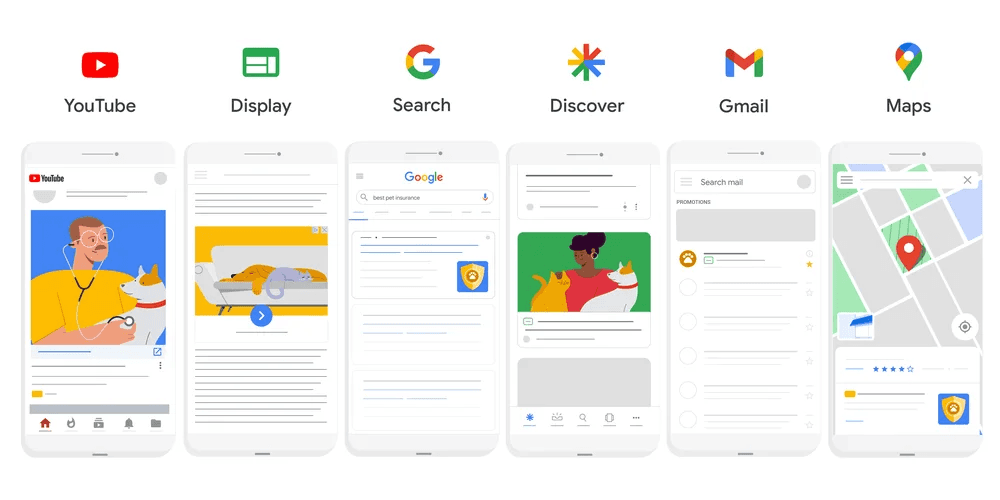
To succeed with P-MAX, it's essential to continually provide high-quality input rather than leaving it entirely to AI.
Providing High-Quality Assets: The performance of ads largely depends on the quality of the creative assets provided. Registering a variety of images, videos, and ad texts helps AI find the optimal combinations.
Leveraging Audience Signals: Setting first-party data (such as customer lists) as audience signals accelerates AI learning and promotes reaching more relevant users.
Utilizing AI Max: The AI Max for Search campaigns introduced in 2025 greatly enhances AI-driven targeting and creative optimization, helping advertisers capture more conversions efficiently.
6. Maximizing the Value of Clicks through Landing Page Optimization (LPO)
No matter how excellent your ads are, if the landing page (LP), which acts as the receptacle post-click, is not optimized, conversions will not materialize, and CPA will worsen. To avoid wasting advertising money, LPO is an essential element for CPA improvement.
Clear Headlines and Value Propositions
Visitors immediately judge, "What is this, and what benefits does it provide me?" A headline that is consistent with the ad message, clearly conveying user benefits, is the most crucial factor in lowering bounce rates and enhancing engagement.
Building Trust through Social Proof
Elements like customer testimonials, logos of companies using the service, and awards provide far more persuasive power than marketing copy produced by the company itself. For instance, Slack effectively conveys service reliability by showcasing logos of well-known companies, such as Airbnb.
Reducing Friction in Form Inputs
Forms represent the final barrier to conversion. If there are too many input fields or if they are unclear, users can easily abandon the process. For example, Basecamp increased sign-up numbers with a simple change of reducing the number of form fields. When optimizing forms, utilize smart defaults, autofill, and real-time input validation to minimize user burden.
Continuous A/B Testing
LPO should not be conducted on speculation. It is essential to formulate hypotheses like "changing the wording of the headline" or "changing the color of the CTA button" and test them through A/B testing. Limiting the elements tested at one time to just one is a fundamental principle for accurate effect measurement. If unsure about which test to start with, using a framework such as P.I.E. (Potential: potential for improvement, Importance: importance, Ease: ease of implementation) can be effective for prioritization.
7. Spotting Attribution Traps: Hidden Biases and Correct Budget Allocation
Reports from individual advertising platforms often have incentives to overstate their contributions, making it dangerous to take them at face value. To optimize CPA holistically, it is necessary to understand the biases inherent in attribution models and allocate budgets from a more objective perspective.
In-Market Bias: There is a tendency to overestimate the performance of ads targeting users who would have converted regardless (e.g., users who searched for brand names). This is often seen in retargeting campaigns.
Low-Cost Channel Bias: Overestimating the contribution of channels with low click costs (e.g., branded search), which can lead to misallocation of budgets that should be invested in new customer acquisition channels.
Digital-Only Bias: Ignoring offline touchpoints like store visits or phone inquiries can lead to underestimating the value of channels that have contributed to increasing awareness.
Understanding these biases is essential for accurate budget allocation. For instance, falling into low-cost channel bias can lead to over-allocating budgets to channels in the harvesting phase like branded search. As a result, there may be insufficient investment in top-of-funnel (awareness expansion) initiatives to nurture future customers, which could hinder long-term business growth.
8. Building a Continuous Improvement Cycle: Standardizing Marketing Workflows
Improving CPA cannot be achieved through one-off initiatives. It is crucial to build a systematic marketing workflow and instill a culture of continuous improvement within the organization.
Mapping Processes and Identifying Bottlenecks: First, visualize the entire process of marketing initiatives. Map a sequence of flows such as "Creative Concept → Design Production → Copywriting → Approval → Ad Submission → Start Distribution" and identify operational bottlenecks affecting CPA, such as delays in creative approvals or lead handovers to sales.
Creating Standard Operating Procedures (SOPs): Develop SOPs for key tasks such as documentation of A/B testing, campaign naming conventions, and weekly performance reporting. This ensures the quality and consistency of operations, preventing dependency on individuals and improving overall team performance.
Utilizing Automation: By automating repetitive tasks like report generation, human errors can be minimized, allowing the team to focus on high-value tasks like analysis and strategy formulation. For example, you can set rules like "automatically pause ads if CPA exceeds target values for three consecutive days and ROAS falls below target" to reduce unnecessary advertising costs in real-time.
Conclusion
This article has outlined eight strategies for improving CPA. Starting with ensuring data accuracy, leveraging first-party data, strategically utilizing platform AI, optimizing landing pages, understanding attribution, and building continuous improvement workflows are all interconnected.
Post-2026 CPA improvement will require a systematic approach based on data rather than executing isolated tactics. Only by holistically reviewing advertising operations, data analysis, creative production, and business processes can sustainable results be achieved.
To manage everything from server-side data to creative testing to workflow automation, a centralized and intelligent system is necessary. Adopting a marketing optimization platform that utilizes AI is also a viable option for efficiently executing such complex optimization processes. For instance, a platform like "Cascade" can assist in integrating data, analysis, and automation of initiatives as discussed in this article, providing an environment where marketing teams can focus more on strategic decision-making. Consider utilizing such tools tailored to your challenges.
The CPA (Cost Per Acquisition) of ads has been skyrocketing unknowingly. This is a common challenge faced by many marketers. Performance marketing in 2026 is shifting from mere "operations" to "building systems." While AI automation on platforms is advancing, the decline in data accuracy due to enhanced privacy protection in browsers is making optimization decisions increasingly difficult.
This article explains the "CPA improvement" strategies from the perspective of experts, based on a systematic approach rather than superficial techniques. By the time you finish reading this article, you should have eight concrete and actionable strategies to maximize your return on investment (ROI) in advertising.
1. Understanding the Big Picture of CPA: True Costs Beyond Advertising Expenses
The first step in improving CPA is to correctly understand its calculation formula. Many marketers see CPA as "advertising costs ÷ conversion numbers," but the "total cost" in the numerator should include costs other than direct advertising expenses. Incomplete cost calculations carry the risk of leading to incorrect optimization decisions.
The real "total marketing cost" includes the following elements:
Direct Advertising Costs: Costs paid to platforms like Google Ads, Meta Ads, and TikTok Ads.
Creative and Development Costs: Costs related to designing banner ads, video production, and building landing pages (LP).
Labor and Operational Costs: Salaries of marketing personnel, fees to external agencies, etc.
Technology Stack: Fees for using marketing automation tools and analytics software.
By calculating CPA with all these costs included, you can accurately assess cost-effectiveness and implement the right improvement measures.
2. The Foundation of Everything: Data Accuracy – Preventing CPA Surges with Server-Side Tracking
In modern marketing, accurate data is the lifeline for CPA improvement. Browser enhancements in privacy protection such as Apple's ITP (Intelligent Tracking Prevention) and the phasing out of third-party cookies have caused traditional client-side pixels to lose reliability.
This leads to inaccurate conversion measurement and the advertising platforms' machine learning not functioning properly, causing CPA to surge. The most effective countermeasure to this issue is the implementation of server-side tracking.
The Necessity of Server-Side Tracking: Utilizing Meta's Conversion API (CAPI) to send and receive data directly between servers without going through the browser significantly improves tracking accuracy.
Risk of Configuration Errors: Minor setup mistakes like incorrect URL parameters or inconsistencies in postback URLs can lead to loss of conversions. If multiple such factors overlap, a substantial portion of conversion data may be lost.
Acceptable Range of Data Differences: Data discrepancies between platforms and in-house measurement tools are considered normal within a small range, while larger differences are a warning sign that an audit of tracking settings is necessary.
The reliability of the data is the foundation of all optimization activities. There's nothing more dangerous than making decisions based on inaccurate data.
3. Transforming First-Party Data into a Strategic Asset
With the restrictions on using third-party data, first-party data collected in-house (such as customer lists and site behavioral history) become the most valuable asset in CPA improvement. By leveraging this data strategically, it's possible to dramatically enhance ad precision and efficiency.
Utilizing High LTV Customer Lists: Using lists of valuable customers (those with high LTV or high repeat rates) accumulated in your CRM to create Lookalike Audiences can meaningfully reduce CPA.
Excluding Existing Customers: By excluding existing customer lists from campaigns designed to acquire new customers, wasteful advertising costs can be reduced and CPA improved.
Personalizing Offers Based on Behavioral Data: By personalizing offers based on users' on-site behaviors (e.g., quiz answers, specific browsing patterns), significant improvements in acquisition costs have been observed.
Practical Advice: To improve the accuracy of Lookalike Audiences, it is recommended to have seed audiences (the original customer list) of at least 1,000 users. However, as of December 2025, the minimum requirement for Google Ads data segments (remarketing lists and customer match lists) has been standardized to 100 people across all networks and segment types.
4. Mastering Platform AI (Part 1): Meta Advantage+ and TikTok Spark Ads
AI-driven campaigns like Meta's Advantage+ have now become mainstream in ad operations. However, these tools do not merely automate; they require high-quality "input" from marketers to truly demonstrate their value.
Meta Ads (Advantage+):
Advantage+ shopping campaigns have shown improved conversions compared to manually set campaigns.
The key to making this AI successful lies in high-quality creative and accurate conversion data sent via server-side methods. These act as crucial "filters" for AI to discover the optimal audience.
TikTok Ads (Spark Ads):
TikTok's CPM has generally trended lower compared to Meta's, making it a cost-competitive platform.
The "Spark Ads" method of leveraging organic posts as advertisements significantly enhances engagement compared to standard in-feed ads, boosts conversion rates, and lowers CPA, making it a highly cost-effective strategy.
Professional Tip: In optimizing for the AI era, creativity is a new targeting lever. Treat ad creatives as "instructions to AI," suggesting the kinds of users you want to reach through visuals and copy, and continuously test to master the AI.
5. Mastering Platform AI (Part 2): Strategic Utilization of Google P-MAX
In the Google Ads ecosystem, Performance Max (P-MAX) has established itself as the "default operating system" for 2025. P-MAX is a campaign type where Google's AI automatically optimizes ad delivery across all channels, based on assets (ad headlines, images, videos) provided by marketers and audience signals.
To succeed with P-MAX, it's essential to continually provide high-quality input rather than leaving it entirely to AI.
Providing High-Quality Assets: The performance of ads largely depends on the quality of the creative assets provided. Registering a variety of images, videos, and ad texts helps AI find the optimal combinations.
Leveraging Audience Signals: Setting first-party data (such as customer lists) as audience signals accelerates AI learning and promotes reaching more relevant users.
Utilizing AI Max: The AI Max for Search campaigns introduced in 2025 greatly enhances AI-driven targeting and creative optimization, helping advertisers capture more conversions efficiently.
6. Maximizing the Value of Clicks through Landing Page Optimization (LPO)
No matter how excellent your ads are, if the landing page (LP), which acts as the receptacle post-click, is not optimized, conversions will not materialize, and CPA will worsen. To avoid wasting advertising money, LPO is an essential element for CPA improvement.
Clear Headlines and Value Propositions
Visitors immediately judge, "What is this, and what benefits does it provide me?" A headline that is consistent with the ad message, clearly conveying user benefits, is the most crucial factor in lowering bounce rates and enhancing engagement.
Building Trust through Social Proof
Elements like customer testimonials, logos of companies using the service, and awards provide far more persuasive power than marketing copy produced by the company itself. For instance, Slack effectively conveys service reliability by showcasing logos of well-known companies, such as Airbnb.
Reducing Friction in Form Inputs
Forms represent the final barrier to conversion. If there are too many input fields or if they are unclear, users can easily abandon the process. For example, Basecamp increased sign-up numbers with a simple change of reducing the number of form fields. When optimizing forms, utilize smart defaults, autofill, and real-time input validation to minimize user burden.
Continuous A/B Testing
LPO should not be conducted on speculation. It is essential to formulate hypotheses like "changing the wording of the headline" or "changing the color of the CTA button" and test them through A/B testing. Limiting the elements tested at one time to just one is a fundamental principle for accurate effect measurement. If unsure about which test to start with, using a framework such as P.I.E. (Potential: potential for improvement, Importance: importance, Ease: ease of implementation) can be effective for prioritization.
7. Spotting Attribution Traps: Hidden Biases and Correct Budget Allocation
Reports from individual advertising platforms often have incentives to overstate their contributions, making it dangerous to take them at face value. To optimize CPA holistically, it is necessary to understand the biases inherent in attribution models and allocate budgets from a more objective perspective.
In-Market Bias: There is a tendency to overestimate the performance of ads targeting users who would have converted regardless (e.g., users who searched for brand names). This is often seen in retargeting campaigns.
Low-Cost Channel Bias: Overestimating the contribution of channels with low click costs (e.g., branded search), which can lead to misallocation of budgets that should be invested in new customer acquisition channels.
Digital-Only Bias: Ignoring offline touchpoints like store visits or phone inquiries can lead to underestimating the value of channels that have contributed to increasing awareness.
Understanding these biases is essential for accurate budget allocation. For instance, falling into low-cost channel bias can lead to over-allocating budgets to channels in the harvesting phase like branded search. As a result, there may be insufficient investment in top-of-funnel (awareness expansion) initiatives to nurture future customers, which could hinder long-term business growth.
8. Building a Continuous Improvement Cycle: Standardizing Marketing Workflows
Improving CPA cannot be achieved through one-off initiatives. It is crucial to build a systematic marketing workflow and instill a culture of continuous improvement within the organization.
Mapping Processes and Identifying Bottlenecks: First, visualize the entire process of marketing initiatives. Map a sequence of flows such as "Creative Concept → Design Production → Copywriting → Approval → Ad Submission → Start Distribution" and identify operational bottlenecks affecting CPA, such as delays in creative approvals or lead handovers to sales.
Creating Standard Operating Procedures (SOPs): Develop SOPs for key tasks such as documentation of A/B testing, campaign naming conventions, and weekly performance reporting. This ensures the quality and consistency of operations, preventing dependency on individuals and improving overall team performance.
Utilizing Automation: By automating repetitive tasks like report generation, human errors can be minimized, allowing the team to focus on high-value tasks like analysis and strategy formulation. For example, you can set rules like "automatically pause ads if CPA exceeds target values for three consecutive days and ROAS falls below target" to reduce unnecessary advertising costs in real-time.
Conclusion
This article has outlined eight strategies for improving CPA. Starting with ensuring data accuracy, leveraging first-party data, strategically utilizing platform AI, optimizing landing pages, understanding attribution, and building continuous improvement workflows are all interconnected.
Post-2026 CPA improvement will require a systematic approach based on data rather than executing isolated tactics. Only by holistically reviewing advertising operations, data analysis, creative production, and business processes can sustainable results be achieved.
To manage everything from server-side data to creative testing to workflow automation, a centralized and intelligent system is necessary. Adopting a marketing optimization platform that utilizes AI is also a viable option for efficiently executing such complex optimization processes. For instance, a platform like "Cascade" can assist in integrating data, analysis, and automation of initiatives as discussed in this article, providing an environment where marketing teams can focus more on strategic decision-making. Consider utilizing such tools tailored to your challenges.
\FreeDownload Now/
\FreeDownload Now/
\FreeDownload Now/
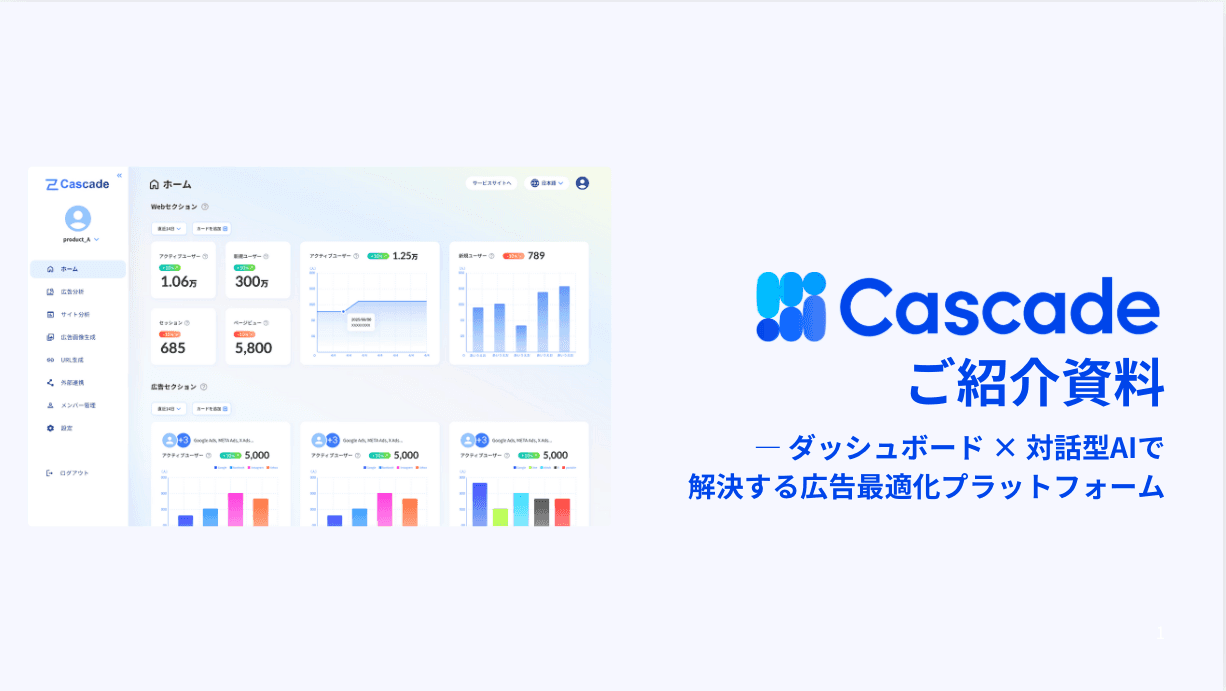
Table of Contents

© 2025 Cascade Inc, All Rights Reserved.

© 2025 Cascade Inc, All Rights Reserved.
© 2025 Cascade Inc, All Rights Reserved.